
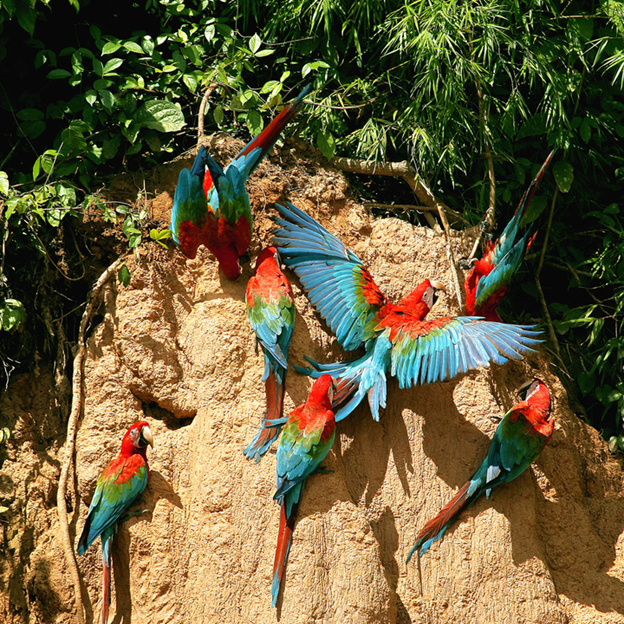
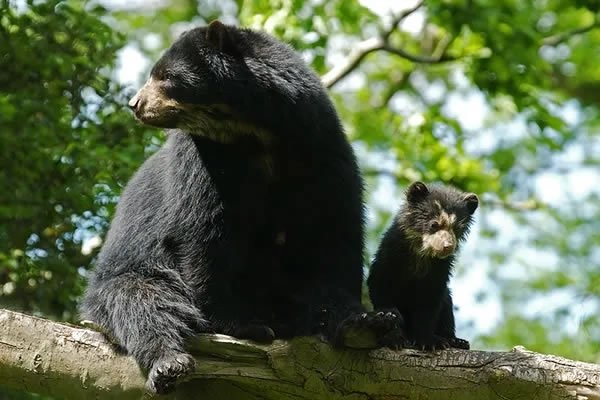
Impact Bridges Group (IBG) is proud to collaborate with the Amazon Rainforest Conservancy (ARC), World Vision Peru, World Vision Ecuador,and the World Vision Latin America and Caribbean Regional Office on an ambitious conservation and economic development program that addresses the critical challenges facing the Amazon rainforest. This multi-faceted initiative recognizes that protecting one of the world’s most biodiverse ecosystems requires more than conservation efforts alone—it demands economically viable alternatives to the destructive practices currently threatening these vital regions. The careful design of this program will be integral to achieving the expected high impact, ensuring that environmental protection and community prosperity advance together. Critical to this design work will be the partnership with the University of Surrey, which will deploy high-resolution Earth Observation technology and machine learning to establish precise environmental baselines, track conservation progress, and provide the transparent, auditable metrics essential for demonstrating measurable impact to investors and certification bodies.
The urgency of conservation work in the Amazon cannot be overstated, as illegal mining contaminates waterways with mercury, transforming pristine rainforest into toxic wasteland. At the same time, decades of unsustainable land use have degraded vast areas where old-growth forests once captured carbon and sustained extraordinary biodiversity. However, this initiative recognizes that conservation efforts must be balanced with efforts to address the significant economic pressures driving communities toward illegal logging, harmful agricultural practices, and artisanal mining. We invite you to watch the ARC videos provided below that powerfully illustrate the environmental devastation caused by artisanal mining, as well as its profound impacts on communities and children, including mercury contamination, loss of ecosystem services, and limited economic alternatives. Our consortium benefits immensely from World Vision’s deep expertise in creating supportive structures for children and vulnerable populations, combined with both ARC’s and World Vision’s proven track record in community development that places local stakeholders at the centre of sustainable change.
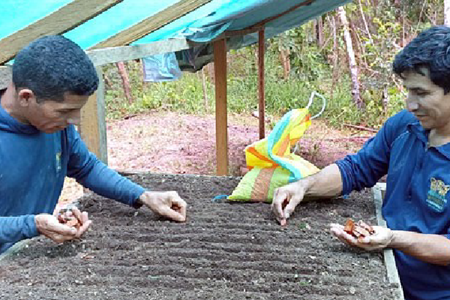
IBG’s role extends beyond traditional program design—we are architecting this initiative to achieve maximum net social benefits while introducing innovative financing mechanisms that ensure these programs become embedded within communities rather than dependent on external support. Among several economic development initiatives, the introduction of eco-tourism through an eco-lodge managed as a social enterprise will create year-round employment opportunities, while expanded and improved job opportunities in Brazil nuts, vanilla, chocolate, and other sustainable sectors will provide competitive incomes that rival or exceed those from destructive activities. The early design work, including comprehensive Earth Observation baseline assessments, detailed project planning, and rigorous cost-benefit analysis,will be financed primarily through donations. However, the implementation phase will employ a blended financing approach, with investment capital serving as the primary source of the five-year operational budget, demonstrating to impact investors and ESG-focused funds that forest-based enterprises can deliver competitive, risk-adjusted financial returns.
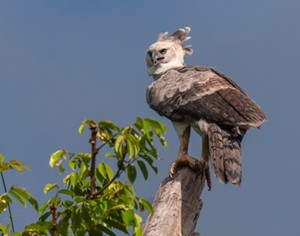
Critical to the long-term success of this initiative, the project will employ comprehensive sustainability metrics alongside financial and environmental indicators to ensure that outcomes persist beyond the initial investment period and continue to improve over time. By combining rigorous monitoring through satellite-based Earth Observation systems, community-led enterprise development, and investment structures that align financial returns with conservation outcomes, this program creates a replicable model for market-driven conservation. The result will be communities with strengthened resilience, diversified income streams, improved governance, and enhanced well-being—all while protecting Brazil nut populations, restoring degraded ecosystems, sequestering carbon, and safeguarding endangered species, including harpy eagles, giant river otters, and countless others that depend on standing forests for survival.
Media Credits:
Photos: Amazon Rainforest Conservancy
Videos:
- "Unregulated Gold Mining in the Amazon Rainforest": Amazon Rainforest Conservancy
- "Vanilla Innovation Challenge": World Vision Ecuador

.svg)
